Manage your finances with confidence daily

The hidden impact of clear financial data on collaboration and culture.

man in grey blazer near green trees during daytime

Kevein Larense

Kevein Larense

Kevein Larense

Chief Executive Officer

Oct 9, 2025

5 min

read

Collaborative Workspace

Think you need a lot of money to start investing? Think again. Micro-investing is changing the game allowing people to start building wealth with as little as a single dollar. In the age of digital finance, investing is no longer just for the wealthy or financial experts.

What is Micro-Investing?

Micro-investing is the practice of investing small amounts of money regularly, often through apps or online platforms. It’s designed to make investing accessible, simple, and affordable especially for beginners or those with limited income. Instead of waiting to save a large sum, micro-investing lets you start with what you have even spare change from daily purchases.

How Micro-Investing Works

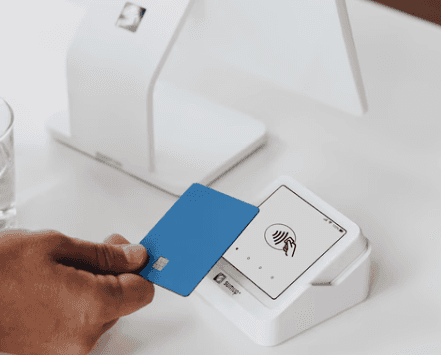
Micro-investing typically involves using apps like Acorns, Stash, Robinhood, or country-specific platforms. These apps round up everyday purchases to the nearest dollar and invest the spare change into diversified portfolios. For example, buying coffee for $2.70 may trigger a $0.30 investment. Over time, these small contributions accumulate and grow.

Key Features of Micro-Investing in the Digital Age

Micro-investing platforms allow users to start investing with as little as a few cents or spare change. Thanks to fractional investing, users can buy small portions of high-value stocks, making assets like Apple or Tesla accessible to everyone regardless of income level.

Modern apps automate the entire investing process. Features like automatic round-ups on daily purchases, recurring contributions, and portfolio rebalancing make micro-investing simple, passive, and habit-forming even for first-time investors.

Most platforms offer personalized insights, easy-to-understand reports, and educational tools. These help users track progress, learn basic investment concepts, and make better decisions supporting long-term financial wellness in the digital era.

Long-Term Growth Potential

While the initial amounts may be small, consistent micro-investments can compound significantly over time. If invested smartly, even daily spare change can result in thousands of dollars over years, especially when combined with long-term market returns and dividend reinvestments.

Micro-Investing vs Traditional Investing

Unlike traditional investing which may involve financial advisors, paperwork, and minimum investment thresholds micro-investing is fully digital and accessible. However, traditional investing may offer more control and customization. Micro-investing is better for ease, while traditional investing suits advanced strategies.

Who Should Try Micro-Investing?

Micro-investing is perfect for anyone looking to start investing with minimal money, especially students, gig workers, entry-level professionals, or even experienced investors who want to automate small-scale savings. It's a great way to build discipline and watch your money grow steadily.

Conclusion

Micro-investing proves that you don’t need to be rich to invest you just need to start. By turning everyday transactions into investment opportunities, it empowers individuals to build financial futures step by step, dollar by dollar.Whether you're a student, a young professional, or simply curious about investing, micro-investing is a simple, smart way to begin your journey toward financial freedom.


Minimalist Desk Setup
Minimalist Office View
More to explore
More to explore
More to explore
Minimalist Office Space
Financial wellness refers to the overall health of an individual's financial life. It includes the ability to manage day-to-day finances, cope with unexpected expenses, plan for future goals, and feel secure in one's financial future. In the digital age, the concept of financial wellness has expanded, incorporating new tools and technologies that make money management more accessible and efficient for individuals around the world. The Role of Technology in Modern Finance The digital revolution has dramatically reshaped how we interact with our finances. Mobile banking, online payments, budgeting apps, and robo-advisors have simplified financial tasks that once required significant time and effort. These innovations have not only enhanced convenience but also empowered individuals with tools to track, plan, and grow their finances in real time. Budgeting and Expense Tracking in the Digital Era One of the pillars of financial wellness is effective budgeting, and digital platforms have made this process easier than ever. Apps like Mint, YNAB (You Need A Budget), and PocketGuard allow users to set budgets, categorize spending, and receive alerts when they’re overspending. These tools help individuals gain greater control over their finances, leading to more informed decisions. Key Features of Financial Wellness in the Digital Age Digital tools make it easy to access financial information anytime, anywhere. Mobile apps and online platforms let users check balances, track spending, and manage accounts on the go, increasing control and awareness over finances. Automation helps with tasks like bill payments and savings, ensuring consistency. Personalization tailors financial advice and alerts based on user behavior, helping individuals stay aligned with their goals. Modern finance apps analyze user data to provide reports, trends, and smart suggestions. These insights help users understand their habits and make better decisions for long-term financial health. Savings and Investment Made Easier The digital age has also democratized savings and investment. Automatic savings plans, round-up features, and micro-investment apps such as Acorns and Robinhood have encouraged even low-income earners to start investing early. These tools often use gamification and AI-driven suggestions to nudge users toward better financial habits, contributing to long-term financial stability. Digital Banking and Neobanks Traditional banking has been transformed by the emergence of neobanks—fully digital banks that operate without physical branches. These banks often offer lower fees, higher interest rates, and faster services. Their user-friendly interfaces cater to tech-savvy individuals who prefer digital convenience over traditional banking models. Financial Literacy and Digital Tools Despite the availability of digital financial tools, many people struggle with financial literacy. Fortunately, the internet is full of accessible resources such as blogs, webinars, and e-learning platforms that provide financial education. Fintech companies are also integrating educational content into their apps, helping users understand financial concepts while they manage their money. Conclusion In the digital age, financial wellness is more achievable than ever but it requires a proactive approach. By blending traditional financial principles with modern technology, individuals can build a stronger, more resilient financial future.

What makes a financial dashboard effective and easy for teams to adopt.

Minimalist Office Space
Financial wellness refers to the overall health of an individual's financial life. It includes the ability to manage day-to-day finances, cope with unexpected expenses, plan for future goals, and feel secure in one's financial future. In the digital age, the concept of financial wellness has expanded, incorporating new tools and technologies that make money management more accessible and efficient for individuals around the world. The Role of Technology in Modern Finance The digital revolution has dramatically reshaped how we interact with our finances. Mobile banking, online payments, budgeting apps, and robo-advisors have simplified financial tasks that once required significant time and effort. These innovations have not only enhanced convenience but also empowered individuals with tools to track, plan, and grow their finances in real time. Budgeting and Expense Tracking in the Digital Era One of the pillars of financial wellness is effective budgeting, and digital platforms have made this process easier than ever. Apps like Mint, YNAB (You Need A Budget), and PocketGuard allow users to set budgets, categorize spending, and receive alerts when they’re overspending. These tools help individuals gain greater control over their finances, leading to more informed decisions. Key Features of Financial Wellness in the Digital Age Digital tools make it easy to access financial information anytime, anywhere. Mobile apps and online platforms let users check balances, track spending, and manage accounts on the go, increasing control and awareness over finances. Automation helps with tasks like bill payments and savings, ensuring consistency. Personalization tailors financial advice and alerts based on user behavior, helping individuals stay aligned with their goals. Modern finance apps analyze user data to provide reports, trends, and smart suggestions. These insights help users understand their habits and make better decisions for long-term financial health. Savings and Investment Made Easier The digital age has also democratized savings and investment. Automatic savings plans, round-up features, and micro-investment apps such as Acorns and Robinhood have encouraged even low-income earners to start investing early. These tools often use gamification and AI-driven suggestions to nudge users toward better financial habits, contributing to long-term financial stability. Digital Banking and Neobanks Traditional banking has been transformed by the emergence of neobanks—fully digital banks that operate without physical branches. These banks often offer lower fees, higher interest rates, and faster services. Their user-friendly interfaces cater to tech-savvy individuals who prefer digital convenience over traditional banking models. Financial Literacy and Digital Tools Despite the availability of digital financial tools, many people struggle with financial literacy. Fortunately, the internet is full of accessible resources such as blogs, webinars, and e-learning platforms that provide financial education. Fintech companies are also integrating educational content into their apps, helping users understand financial concepts while they manage their money. Conclusion In the digital age, financial wellness is more achievable than ever but it requires a proactive approach. By blending traditional financial principles with modern technology, individuals can build a stronger, more resilient financial future.

What makes a financial dashboard effective and easy for teams to adopt.

Minimalist Office Space
Financial wellness refers to the overall health of an individual's financial life. It includes the ability to manage day-to-day finances, cope with unexpected expenses, plan for future goals, and feel secure in one's financial future. In the digital age, the concept of financial wellness has expanded, incorporating new tools and technologies that make money management more accessible and efficient for individuals around the world. The Role of Technology in Modern Finance The digital revolution has dramatically reshaped how we interact with our finances. Mobile banking, online payments, budgeting apps, and robo-advisors have simplified financial tasks that once required significant time and effort. These innovations have not only enhanced convenience but also empowered individuals with tools to track, plan, and grow their finances in real time. Budgeting and Expense Tracking in the Digital Era One of the pillars of financial wellness is effective budgeting, and digital platforms have made this process easier than ever. Apps like Mint, YNAB (You Need A Budget), and PocketGuard allow users to set budgets, categorize spending, and receive alerts when they’re overspending. These tools help individuals gain greater control over their finances, leading to more informed decisions. Key Features of Financial Wellness in the Digital Age Digital tools make it easy to access financial information anytime, anywhere. Mobile apps and online platforms let users check balances, track spending, and manage accounts on the go, increasing control and awareness over finances. Automation helps with tasks like bill payments and savings, ensuring consistency. Personalization tailors financial advice and alerts based on user behavior, helping individuals stay aligned with their goals. Modern finance apps analyze user data to provide reports, trends, and smart suggestions. These insights help users understand their habits and make better decisions for long-term financial health. Savings and Investment Made Easier The digital age has also democratized savings and investment. Automatic savings plans, round-up features, and micro-investment apps such as Acorns and Robinhood have encouraged even low-income earners to start investing early. These tools often use gamification and AI-driven suggestions to nudge users toward better financial habits, contributing to long-term financial stability. Digital Banking and Neobanks Traditional banking has been transformed by the emergence of neobanks—fully digital banks that operate without physical branches. These banks often offer lower fees, higher interest rates, and faster services. Their user-friendly interfaces cater to tech-savvy individuals who prefer digital convenience over traditional banking models. Financial Literacy and Digital Tools Despite the availability of digital financial tools, many people struggle with financial literacy. Fortunately, the internet is full of accessible resources such as blogs, webinars, and e-learning platforms that provide financial education. Fintech companies are also integrating educational content into their apps, helping users understand financial concepts while they manage their money. Conclusion In the digital age, financial wellness is more achievable than ever but it requires a proactive approach. By blending traditional financial principles with modern technology, individuals can build a stronger, more resilient financial future.

What makes a financial dashboard effective and easy for teams to adopt.

Minimalist Office View
Achieve financial freedom with smart habits

How businesses can create reports that are simple, clear, and actionable.

Minimalist Office View
Achieve financial freedom with smart habits

How businesses can create reports that are simple, clear, and actionable.

Minimalist Office View
Achieve financial freedom with smart habits

How businesses can create reports that are simple, clear, and actionable.

Security First: How Finova Keeps Your Money Safe

How modern teams streamline operations with automated financial workflows.

Security First: How Finova Keeps Your Money Safe

How modern teams streamline operations with automated financial workflows.

Security First: How Finova Keeps Your Money Safe

How modern teams streamline operations with automated financial workflows.

Bring clarity to your numbers today

Start your free trial and bring clarity to your financial workflow in minutes.

Bring clarity to your numbers today

Start your free trial and bring clarity to your financial workflow in minutes.

Bring clarity to your numbers today

Start your free trial and bring clarity to your financial workflow in minutes.

Create a free website with Framer, the website builder loved by startups, designers and agencies.