Security First: How Finova Keeps Your Money Safe

How modern teams streamline operations with automated financial workflows.

man in black hoodie wearing black framed eyeglasses

Daniel Cho

Daniel Cho

Daniel Cho

Customer Success Manager

Dec 5, 2025

5 min

read

Saving money used to be a manual task one that required discipline, planning, and effort. But today, automation is transforming the way we save, making it easier, faster, and smarter. Whether it’s setting aside a few taka each day or building an emergency fund without lifting a finger, automated saving tools are reshaping personal finance for the better.


Why Security Matters in Digital Finance

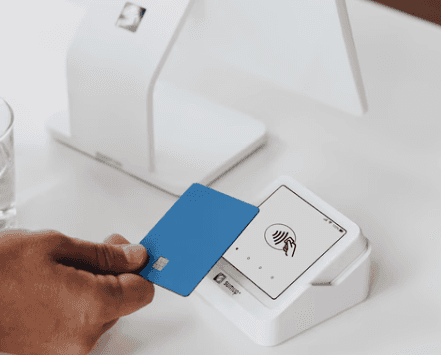
Digital banking offers great convenience, but it also brings risks like phishing, data breaches, and identity theft. The consequences can be severe, from stolen funds to lasting damage to your financial reputation. That’s why choosing a secure platform like Fintiq isn’t just smart—it’s essential.

Finova’s Security Philosophy

Digital banking offers great convenience, but it also brings risks like phishing, data breaches, and identity theft. The consequences can be severe, from stolen funds to lasting damage to your financial reputation. That’s why choosing a secure platform like Fintiq isn’t just smart—it’s essential.

Key Fe.atures That Keep Your Money Safe

Finova uses top-grade encryption (AES-256 and TLS 1.3) to protect user data in storage and transit. Two-factor authentication (2FA) adds another layer of login security through SMS, biometrics, or authenticator apps.

AI-powered fraud detection monitors accounts in real time to catch suspicious activity instantly. For easier and safer logins, Fintiq supports biometric authentication like facial and fingerprint recognition.

All systems are hosted on ISO 27001-certified cloud servers, which are regularly tested and audited to stay secure and reliable.

Behind the Scenes: Finova’s Security Team

A dedicated cybersecurity team works around the clock to monitor threats, perform audits, and conduct simulated attacks. This continuous vigilance ensures Fintiq stays a step ahead of potential risks.

User Education & Safety Tips

Security is a shared responsibility. Fintiq helps users stay informed through in-app tips, blogs, and alerts—offering guidance on avoiding scams, securing accounts, and practicing safe digital habits.

Looking Ahead: The Future of Security at Fintiq

Finova is always evolving. Ongoing investments in technologies like quantum-resistant encryption and zero-trust architecture show its commitment to staying ahead of tomorrow’s threats. Future plans also include support for hardware tokens and more advanced fraud analytics.

Conclusion

Security is at the heart of everything Fintiq does. With strong encryption, proactive monitoring, regulatory compliance, and user education, Fintiq offers a secure, trustworthy platform for managing your money. When you use Fintiq, your safety comes first—always.


Collaborative Workspace
Modern Organized Workspace
More to explore
More to explore
More to explore
Minimalist Office Space
Financial wellness refers to the overall health of an individual's financial life. It includes the ability to manage day-to-day finances, cope with unexpected expenses, plan for future goals, and feel secure in one's financial future. In the digital age, the concept of financial wellness has expanded, incorporating new tools and technologies that make money management more accessible and efficient for individuals around the world. The Role of Technology in Modern Finance The digital revolution has dramatically reshaped how we interact with our finances. Mobile banking, online payments, budgeting apps, and robo-advisors have simplified financial tasks that once required significant time and effort. These innovations have not only enhanced convenience but also empowered individuals with tools to track, plan, and grow their finances in real time. Budgeting and Expense Tracking in the Digital Era One of the pillars of financial wellness is effective budgeting, and digital platforms have made this process easier than ever. Apps like Mint, YNAB (You Need A Budget), and PocketGuard allow users to set budgets, categorize spending, and receive alerts when they’re overspending. These tools help individuals gain greater control over their finances, leading to more informed decisions. Key Features of Financial Wellness in the Digital Age Digital tools make it easy to access financial information anytime, anywhere. Mobile apps and online platforms let users check balances, track spending, and manage accounts on the go, increasing control and awareness over finances. Automation helps with tasks like bill payments and savings, ensuring consistency. Personalization tailors financial advice and alerts based on user behavior, helping individuals stay aligned with their goals. Modern finance apps analyze user data to provide reports, trends, and smart suggestions. These insights help users understand their habits and make better decisions for long-term financial health. Savings and Investment Made Easier The digital age has also democratized savings and investment. Automatic savings plans, round-up features, and micro-investment apps such as Acorns and Robinhood have encouraged even low-income earners to start investing early. These tools often use gamification and AI-driven suggestions to nudge users toward better financial habits, contributing to long-term financial stability. Digital Banking and Neobanks Traditional banking has been transformed by the emergence of neobanks—fully digital banks that operate without physical branches. These banks often offer lower fees, higher interest rates, and faster services. Their user-friendly interfaces cater to tech-savvy individuals who prefer digital convenience over traditional banking models. Financial Literacy and Digital Tools Despite the availability of digital financial tools, many people struggle with financial literacy. Fortunately, the internet is full of accessible resources such as blogs, webinars, and e-learning platforms that provide financial education. Fintech companies are also integrating educational content into their apps, helping users understand financial concepts while they manage their money. Conclusion In the digital age, financial wellness is more achievable than ever but it requires a proactive approach. By blending traditional financial principles with modern technology, individuals can build a stronger, more resilient financial future.

What makes a financial dashboard effective and easy for teams to adopt.

Minimalist Office Space
Financial wellness refers to the overall health of an individual's financial life. It includes the ability to manage day-to-day finances, cope with unexpected expenses, plan for future goals, and feel secure in one's financial future. In the digital age, the concept of financial wellness has expanded, incorporating new tools and technologies that make money management more accessible and efficient for individuals around the world. The Role of Technology in Modern Finance The digital revolution has dramatically reshaped how we interact with our finances. Mobile banking, online payments, budgeting apps, and robo-advisors have simplified financial tasks that once required significant time and effort. These innovations have not only enhanced convenience but also empowered individuals with tools to track, plan, and grow their finances in real time. Budgeting and Expense Tracking in the Digital Era One of the pillars of financial wellness is effective budgeting, and digital platforms have made this process easier than ever. Apps like Mint, YNAB (You Need A Budget), and PocketGuard allow users to set budgets, categorize spending, and receive alerts when they’re overspending. These tools help individuals gain greater control over their finances, leading to more informed decisions. Key Features of Financial Wellness in the Digital Age Digital tools make it easy to access financial information anytime, anywhere. Mobile apps and online platforms let users check balances, track spending, and manage accounts on the go, increasing control and awareness over finances. Automation helps with tasks like bill payments and savings, ensuring consistency. Personalization tailors financial advice and alerts based on user behavior, helping individuals stay aligned with their goals. Modern finance apps analyze user data to provide reports, trends, and smart suggestions. These insights help users understand their habits and make better decisions for long-term financial health. Savings and Investment Made Easier The digital age has also democratized savings and investment. Automatic savings plans, round-up features, and micro-investment apps such as Acorns and Robinhood have encouraged even low-income earners to start investing early. These tools often use gamification and AI-driven suggestions to nudge users toward better financial habits, contributing to long-term financial stability. Digital Banking and Neobanks Traditional banking has been transformed by the emergence of neobanks—fully digital banks that operate without physical branches. These banks often offer lower fees, higher interest rates, and faster services. Their user-friendly interfaces cater to tech-savvy individuals who prefer digital convenience over traditional banking models. Financial Literacy and Digital Tools Despite the availability of digital financial tools, many people struggle with financial literacy. Fortunately, the internet is full of accessible resources such as blogs, webinars, and e-learning platforms that provide financial education. Fintech companies are also integrating educational content into their apps, helping users understand financial concepts while they manage their money. Conclusion In the digital age, financial wellness is more achievable than ever but it requires a proactive approach. By blending traditional financial principles with modern technology, individuals can build a stronger, more resilient financial future.

What makes a financial dashboard effective and easy for teams to adopt.

Minimalist Office Space
Financial wellness refers to the overall health of an individual's financial life. It includes the ability to manage day-to-day finances, cope with unexpected expenses, plan for future goals, and feel secure in one's financial future. In the digital age, the concept of financial wellness has expanded, incorporating new tools and technologies that make money management more accessible and efficient for individuals around the world. The Role of Technology in Modern Finance The digital revolution has dramatically reshaped how we interact with our finances. Mobile banking, online payments, budgeting apps, and robo-advisors have simplified financial tasks that once required significant time and effort. These innovations have not only enhanced convenience but also empowered individuals with tools to track, plan, and grow their finances in real time. Budgeting and Expense Tracking in the Digital Era One of the pillars of financial wellness is effective budgeting, and digital platforms have made this process easier than ever. Apps like Mint, YNAB (You Need A Budget), and PocketGuard allow users to set budgets, categorize spending, and receive alerts when they’re overspending. These tools help individuals gain greater control over their finances, leading to more informed decisions. Key Features of Financial Wellness in the Digital Age Digital tools make it easy to access financial information anytime, anywhere. Mobile apps and online platforms let users check balances, track spending, and manage accounts on the go, increasing control and awareness over finances. Automation helps with tasks like bill payments and savings, ensuring consistency. Personalization tailors financial advice and alerts based on user behavior, helping individuals stay aligned with their goals. Modern finance apps analyze user data to provide reports, trends, and smart suggestions. These insights help users understand their habits and make better decisions for long-term financial health. Savings and Investment Made Easier The digital age has also democratized savings and investment. Automatic savings plans, round-up features, and micro-investment apps such as Acorns and Robinhood have encouraged even low-income earners to start investing early. These tools often use gamification and AI-driven suggestions to nudge users toward better financial habits, contributing to long-term financial stability. Digital Banking and Neobanks Traditional banking has been transformed by the emergence of neobanks—fully digital banks that operate without physical branches. These banks often offer lower fees, higher interest rates, and faster services. Their user-friendly interfaces cater to tech-savvy individuals who prefer digital convenience over traditional banking models. Financial Literacy and Digital Tools Despite the availability of digital financial tools, many people struggle with financial literacy. Fortunately, the internet is full of accessible resources such as blogs, webinars, and e-learning platforms that provide financial education. Fintech companies are also integrating educational content into their apps, helping users understand financial concepts while they manage their money. Conclusion In the digital age, financial wellness is more achievable than ever but it requires a proactive approach. By blending traditional financial principles with modern technology, individuals can build a stronger, more resilient financial future.

What makes a financial dashboard effective and easy for teams to adopt.

Minimalist Office View
Achieve financial freedom with smart habits

How businesses can create reports that are simple, clear, and actionable.

Minimalist Office View
Achieve financial freedom with smart habits

How businesses can create reports that are simple, clear, and actionable.

Minimalist Office View
Achieve financial freedom with smart habits

How businesses can create reports that are simple, clear, and actionable.

Collaborative Workspace
Manage your finances with confidence daily

The hidden impact of clear financial data on collaboration and culture.

Collaborative Workspace
Manage your finances with confidence daily

The hidden impact of clear financial data on collaboration and culture.

Collaborative Workspace
Manage your finances with confidence daily

The hidden impact of clear financial data on collaboration and culture.

Bring clarity to your numbers today

Start your free trial and bring clarity to your financial workflow in minutes.

Bring clarity to your numbers today

Start your free trial and bring clarity to your financial workflow in minutes.

Bring clarity to your numbers today

Start your free trial and bring clarity to your financial workflow in minutes.

Create a free website with Framer, the website builder loved by startups, designers and agencies.